
Expert Bankruptcy & Debt Relief Insights
Get the knowledge you need to make informed decisions about your financial future. Our expert legal insights
can help you navigate complex debt relief options.
Mortgage Bankruptcy California: What Happens to Your Mortgage When You File?
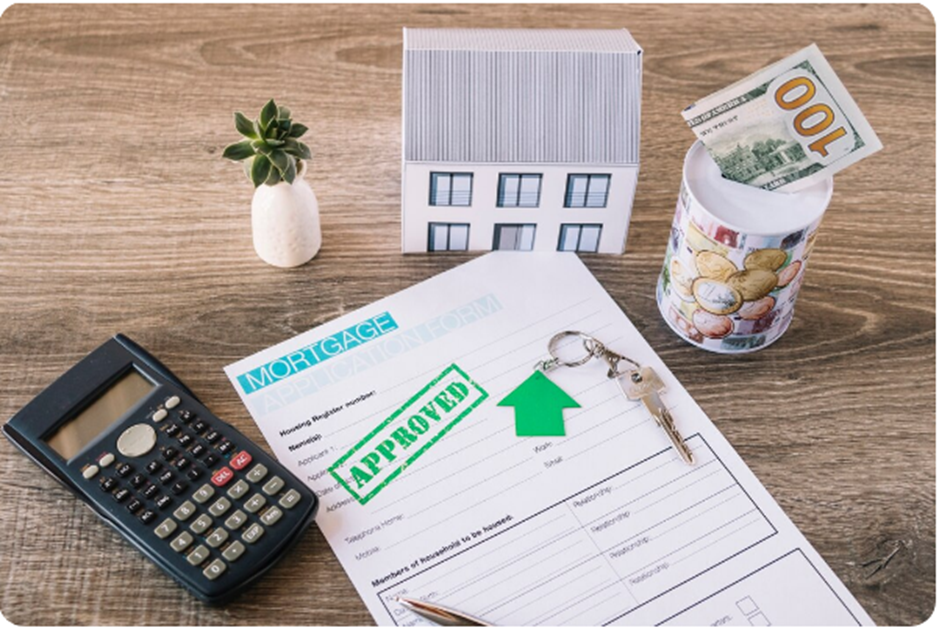
Mortgage bankruptcy in California raises one of the most stressful questions homeowners face: Will I lose my home? If you are struggling with mortgage payments, understanding how bankruptcy treats your home loan can help you make informed decisions instead of reacting out of fear.
This guide explains what happens to your mortgage in bankruptcy, what stays in place, what can sometimes be stripped away, and what California homeowners should realistically expect. The focus is on real scenarios, not legal jargon.
Understanding Mortgage Debt in Bankruptcy
A mortgage is considered secured debt in bankruptcy. This means the loan is tied to a specific asset, which is your home. The lender has a lien that gives them the right to foreclose if payments are not made.
Bankruptcy does not automatically remove secured debt. Instead, it changes how that debt is handled. In some cases, it allows you to catch up on payments. In other cases, it gives you a structured exit from the property.
Understanding this difference is critical when evaluating your options.
Mortgage Bankruptcy in California: Chapter 7 vs Chapter 13
The outcome of your mortgage depends largely on which bankruptcy chapter you file.
Chapter 7 and Your Mortgage
Chapter 7 focuses on wiping out unsecured debt like credit cards and medical bills. Your mortgage itself usually remains in place. If you are current on payments and can continue paying, many homeowners keep their homes.
However, Chapter 7 does not provide a way to catch up on missed mortgage payments. If you are behind, the lender can resume foreclosure once the case ends.
Chapter 13 and Your Mortgage
Chapter 13 is often the most powerful tool for homeowners. It allows you to stop foreclosure and repay missed mortgage payments over three to five years while keeping your home.
For homeowners seeking long-term stability, Chapter 13 often offers the clearest path forward.
What Happens to Secured Debt in Bankruptcy?
Because mortgages are secured debt in bankruptcy, the lender’s lien usually survives the case. Even if personal liability is discharged, the lien stays attached to the property unless specific legal steps are taken.
This concept is known as lien retention. It means the lender keeps its interest in the home even after bankruptcy, as long as the home is kept.
However, there are exceptions, especially when it comes to second mortgages.
How Second Mortgages Are Treated in Bankruptcy
One of the most misunderstood areas of mortgage bankruptcy in California involves second mortgages and home equity lines of credit.
If the value of your home is less than the balance of your first mortgage, a second mortgage may be considered unsecured. In Chapter 13, this can allow for lien stripping, where the second mortgage lien is removed.
This does not eliminate the first mortgage, but it can significantly reduce monthly obligations. Not every homeowner qualifies, but when it applies, the relief can be substantial.
Can Bankruptcy Modify a Mortgage?
Many homeowners ask whether bankruptcy allows a mortgage modification.
In most cases, bankruptcy does not allow courts to rewrite the terms of a first mortgage on a primary residence. However, bankruptcy can still create leverage. Lenders are often more willing to negotiate when foreclosure is stopped and payments are structured.
In addition, bankruptcy may allow for a cramdown on certain non-primary residences or investment properties. This means the loan balance is reduced to the property’s actual value.
What Is Cramdown and When Does It Apply?
A cramdown allows the court to reduce a secured loan to the value of the collateral. For California homeowners, this usually does not apply to a primary residence mortgage.
However, cramdown can apply to rental properties, second homes, or certain vehicle loans. Understanding whether your property qualifies is an important part of bankruptcy planning.
What Stays and What Can Be Stripped
A key concern in mortgage bankruptcy California cases is understanding what stays in place and what may be stripped away.
Your primary mortgage usually stays. The lien remains, and regular payments must continue. Missed payments can often be repaid through Chapter 13.
Second mortgages may be stripped if the home is underwater. Unsecured debts tied to the home, such as judgment liens, may also be removed in certain cases.
Each situation depends on home value, loan balances, and the chapter filed.
What to Expect After Filing Bankruptcy
After filing bankruptcy, most homeowners experience immediate relief. Collection calls stop, foreclosure pauses, and the pressure eases.
In Chapter 13, you begin making plan payments that include mortgage arrears. In Chapter 7, you decide whether to keep paying the mortgage or surrender the property.
Either way, bankruptcy gives structure to a chaotic financial situation.
California-Specific Considerations for Homeowners
California foreclosure laws and property values play a major role in mortgage bankruptcy cases. High home values may limit lien stripping, but they may also provide equity protection under California exemptions.
Local lenders and servicers also have specific practices. Understanding how mortgage bankruptcy in California works at the local level is essential for realistic planning.
Common Scenarios Homeowners Face
Some homeowners are behind but want to keep their homes. Others owe more than the property is worth. Some have second mortgages they cannot afford.
Bankruptcy does not treat all situations the same. The goal is to align the legal tools with your financial reality, not force a one-size-fits-all outcome.
Final Thoughts
Mortgage bankruptcy in California is not about losing your home. It is about understanding what options exist when mortgage debt becomes unmanageable. Bankruptcy can protect your home, reduce financial pressure, and give you time to rebuild stability.
The key is knowing what stays, what can be stripped, and what to expect before making decisions. With the right approach, bankruptcy can be a strategic reset rather than a last resort.
FAQs
Q1:Will bankruptcy eliminate my mortgage in California?
No. Bankruptcy does not remove your mortgage if you plan to keep your home. Instead, it addresses how the debt is handled by stopping foreclosure, restructuring missed payments, and, in some cases, removing certain junior liens while the main mortgage remains in place.
Q2:Can I keep my home if I file bankruptcy?
Yes, many California homeowners keep their homes through bankruptcy, especially under Chapter 13. This chapter allows you to catch up on missed mortgage payments over time while continuing regular monthly payments, which helps prevent foreclosure and stabilize your housing situation.
Q3:What happens to second mortgages in bankruptcy?
Second mortgages may be treated differently depending on your home’s value. If your property is worth less than the balance of your first mortgage, a second mortgage may be stripped in Chapter 13 and treated as unsecured debt, potentially reducing your total monthly obligations.
Q4:Does bankruptcy stop foreclosure related to my mortgage?
Yes. Filing bankruptcy triggers an automatic stay that immediately stops foreclosure proceedings. This pause gives you time to review your options, work on a repayment plan, or explore alternatives without the immediate threat of losing your home.
Q5:Will I need court approval to pay my mortgage during bankruptcy?
No. You continue making your regular mortgage payments directly to the lender. If you are behind, the past-due amount is typically included in your Chapter 13 plan, allowing you to repay it gradually under court supervision.