
Expert Bankruptcy & Debt Relief Insights
Get the knowledge you need to make informed decisions about your financial future. Our expert legal insights
can help you navigate complex debt relief options.
Discharging IRS and FTB Tax Debt in California Bankruptcy

If you owe taxes to the California FTB or IRS, you may face interest, penalties, liens, levies and wage garnishments. Depending on the kind of tax, the dates of filing and assessment and any exemptions, including fraud or tax evasion, certain federal and state income tax debts may be discharged in bankruptcy.
Late-filed returns, tax liens, and past bankruptcy cases may also affect tax discharge in addition to the 3-year, 2-year, and 240-day limitations. The IRS and FTB use the same federal bankruptcy laws but keep separate records and follow different collection and lien processes.
Can Bankruptcy Discharge IRS and FTB Tax Debt?
Yes. Bankruptcy can discharge some federal and California income tax obligations if they meet the standards under federal bankruptcy law.
The Bankruptcy Code specifically excludes some tax bills from discharge, including certain priority taxes, taxes on returns that were never filed or filed late, fraudulent returns, and taxes that the debtor intentionally attempted to evade.
So the age of the debt alone isn't enough.
For each tax year, you usually have to figure out:
- Tax return due date, including extensions that could have been available
- The filing of the return itself
- When the tax was collected.
- If the return was filed late
- If there is intentional tax evasion or a false return
- If there is a tax lien on
- If the relevant time range was affected by a prior bankruptcy, offer in compromise or other event.
Some tax years may be dischargeable, while others may still be payable for a taxpayer with several years of unpaid taxes.
Which Tax Debts May Qualify for Discharge?
Some prior income tax debts may be dischargeable if the time requirements are met and no statutory exclusions apply. However, not all tax debt is treated the same way.
Tax debts that may qualify
In certain situations, the following taxes may be dischargeable:
- Federal Income Tax Individuals
- Personal income taxes, California
- Interest on a tax obligation separately discharged
- Specific tax penalties regulated by different laws
The IRS notes that how penalties are treated when dismissed under Chapter 7 can depend on when the event that created the penalty occurred and whether the tax can be discharged.
Tax debts that generally do not qualify
Many tax debts are not dischargeable in bankruptcy, including:
- Taxes with no mandatory return submitted
- Taxes related to late-filed returns
- Fraudulent tax returns
- Taxes that the debtor intentionally tried to evade or avoid
- Priority claims for taxes
- Employment and withholding taxes
How it is dealt with depends on the nature of the tax and the circumstances under which it was created. So, it does not matter whether you owe the IRS or FTB; the relevant question is “whether my debt can be discharged and which years of taxes do I owe?”
The 3-Year Rule: When Was the Tax Return Due?
The first scheduling standard is the tax return due date, including any extensions.

Priority tax claims often refer to certain income taxes for which the return was last due within three years before the bankruptcy filing, rather than dischargeable obligations. The IRS treats these income taxes as eighth-priority taxes if the return was due, including extensions, within three years before the bankruptcy filing.
The 2-Year Rule: When Was the Return Filed?
The second crucial timing standard is the taxpayer's actual filing date. Under 11 U.S.C. § 523(a)(1)(B), some tax obligations for late filings cannot be forgiven if the return was submitted during the last two years before bankruptcy.
This makes an essential distinction:
Typically, the tax year and the tax return filing date are different.
The 240-Day Rule: When Was the Tax Assessed?
The third key time factor is the tax assessment date.
Under 11 U.S.C. § 507(a)(8)(A)(ii), income taxes assessed in the 240 days previous to the filing of a bankruptcy are priority taxes and are not dischargeable in Chapter 7, subject to any statutory exceptions and extensions.
The IRS also says other time frames may not be included in the 240 days, including those that include an offer in compromise or a previous bankruptcy stay. This distinction matters if someone submitted a return years ago, but the IRS assessed the tax more recently.
Why the assessment date matters
Consider a taxpayer who filed a return years ago and then, after an inquiry or adjustment, received an assessment. The return date alone can suggest the debt is old enough to be discharged, but the assessment date can show a different outcome.
Thus, a careful analysis should determine:
- Date of return due
- Date of actual return filing
- Date of assessment
- Relevant extensions
- Compromise offers
- Previous bankruptcy proceedings or stays
How the 3-2-240 Rules Work Together
The 3-2-240 framework is a useful way to organize the initial analysis:
| Rule | Question to Ask |
|---|---|
| 3-year rule | Was the return due more than three years before bankruptcy? |
| 2-year rule | Was the return filed more than two years before bankruptcy? |
| 240-day rule | Was the tax assessed more than 240 days before bankruptcy? |
These aren’t three separate types of eligibility. They cover many parts of the tax regulations. Some income taxes in these time periods are priority claims; therefore, under the IRS, they are not dischargeable under Chapter 7.
The calculation can become more complicated because certain events may shorten or extend the relevant timeframes. Thus, “3-2-240” should not be treated by taxpayers as a straightforward calculation that automatically yields the answer. Instead, use it as a starting point and review each tax year independently.
What If You Filed Your Tax Return Late?
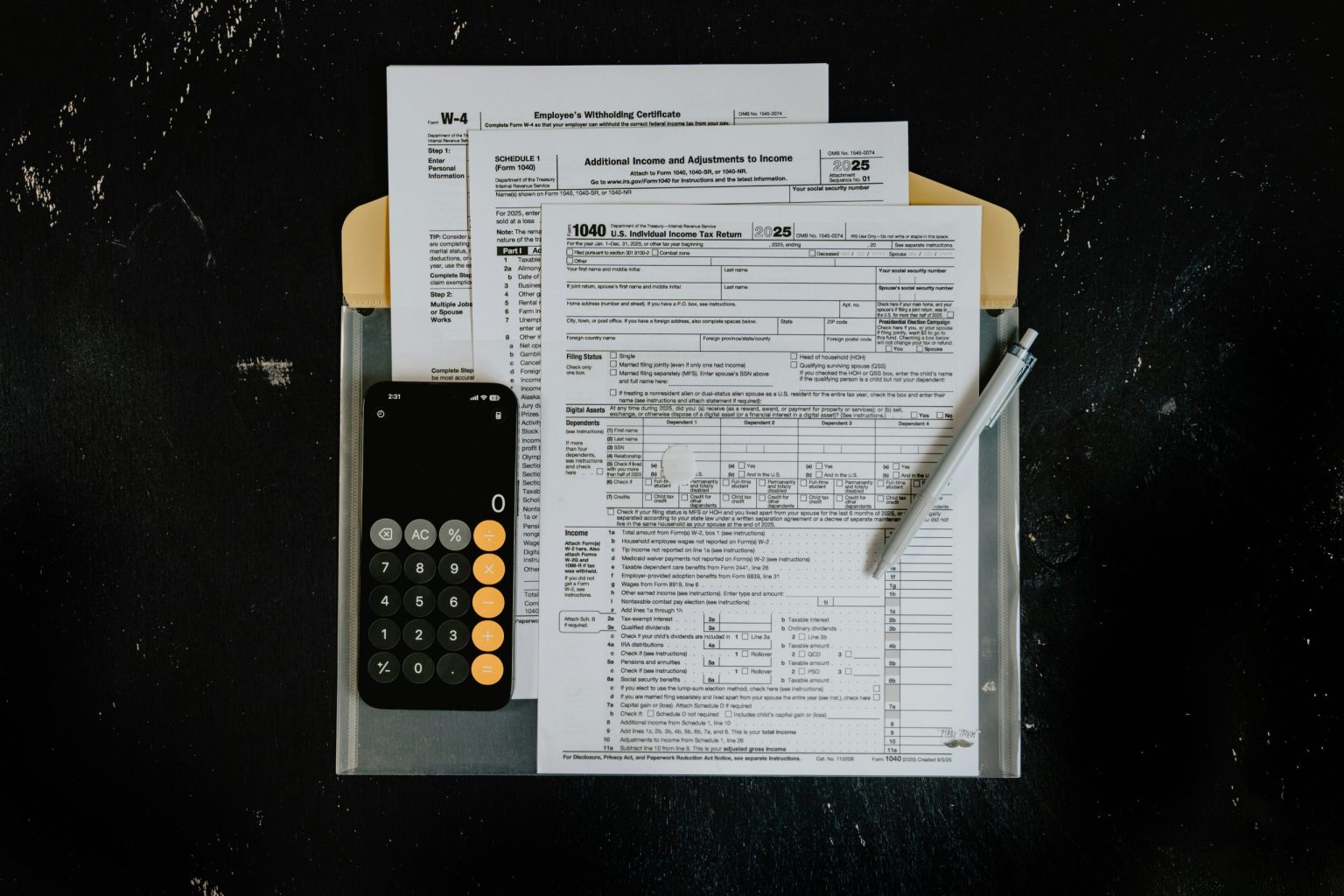
Late-filed returns are among the most critical problems in California bankruptcy proceedings.
A taxpayer could be thinking:
“My tax debt is from years ago, so it should be discharged.”
But tax-year age alone isn't enough. The filing date matters, and California taxpayers should pay close attention to Ninth Circuit decisions on what constitutes a “return” for bankruptcy purposes.
Why this matters in California
California falls under the Ninth Circuit's jurisdiction. This means a taxpayer should not expect that simply submitting a late return will discharge the tax obligation after the usual two-year period.
If you submitted a return years late, especially after the taxing authority had already assessed the obligation, an experienced Ninth Circuit attorney may need to review the circumstances of that filing.
So a late return is not just waiting two years and assuming the debt was paid off.
IRS vs California FTB: Where Do They Differ?
One of the most common myths concerning tax bankruptcy is that the California FTB and IRS have entirely different bankruptcy discharge standards.
Federal bankruptcy law governs the discharge itself. The California FTB’s own bankruptcy guidelines say bankruptcy may eliminate some, but not all, of a taxpayer’s tax debt. But the IRS and the FTB vary in their administrative systems, data, collection techniques and lien procedures.
IRS Tax Debt
Taxpayers may need to consider the following about their federal tax obligations:
- Details of an IRS account
- Return transcripts
- Information about the assessment
- IRS notifications
- History of payments
- Federal tax liens
- Compromise offers
- Previous collection efforts
IRS Publication 908 lists the tax liabilities often excluded from a Chapter 7 discharge and provides guidance on the federal income-tax implications of bankruptcy.
FTB Tax Debt
Regarding California income tax obligations, people have to examine:
- Details of the FTB account
- Status of filing for every tax year
- California evaluations
- Unpaid balances
- FTB liens
- Notifications of collection
- Absence of returns
Before declaring bankruptcy, the FTB expressly advises taxpayers to get their tax-account details and submit any unfiled tax returns.
The practical difference
The IRS and the FTB may gather data differently, but the bankruptcy discharge structure is federal.
So do not assume the IRS account transcript will include all the details you need about your California tax debt if you owe both agencies. Review the roles of the federal government and California annually.
Chapter 7 vs Chapter 13 for IRS and FTB Tax Debt
Your choice of bankruptcy chapter may also affect how you manage your tax responsibilities.
Chapter 7
Some prior income-tax debts that meet the Bankruptcy Code's requirements may be discharged.
But under Chapter 7, not all tax debt is discharged. The IRS will not waive priority taxes, certain late-or-missing-return requirements, fraudulent returns or taxes linked to intentional evasion.
Chapter 13
Chapter 13 usually does not provide an immediate release; instead, it requires a repayment plan. This may be important when tax liabilities are difficult to discharge under Chapter 7.
Chapter 13 also requires ongoing tax compliance. Generally, Chapter 13 debtors must file the applicable federal returns for the tax period ending within the four years before filing, subject to delays and court proceedings, according to the IRS.
The FTB further reminds that filing for bankruptcy does not relieve the need to file California tax returns. So, bankruptcy should not be considered an option to avoid filing taxes.
Frequently Asked Questions
Key Takeaway
Some IRS and California FTB tax bills may be dischargeable in bankruptcy under the 3-year, 2-year, and 240-day regulations, depending on filing and assessment dates, late-filed returns, and any exclusions.
A discharge cannot wipe out legal liens that existed before bankruptcy; you must address tax liens separately. Because the IRS and FTB keep separate records and use distinct tax collection processes, you must review each tax year separately to determine which debts can be discharged and which require payment or other action.